Natural bedding · A practical guide
Wool Comforters vs. Down: Choosing Natural Insulation for Your Sleep Style
A comforter is a small climate system: it holds warmth close, meets the moisture a sleeper releases, and shapes how the bed feels through the night. Wool and down can both insulate naturally, but they manage warmth in different ways. Understanding those differences can help you choose a filling that suits your body, bedroom, and approach to care.
Two fibers, two kinds of warmth
Imagine the difference between a steady hearth and a thick layer of snow. The comparison is imperfect, but it hints at the contrasting character of wool and down. Wool is made from animal hair, most often sheep’s fleece in bedding; down consists of the soft, branching clusters beneath the feathers of waterfowl. Each traps air, and still air is an effective insulator. Yet the structure of each filling changes how that warmth feels.
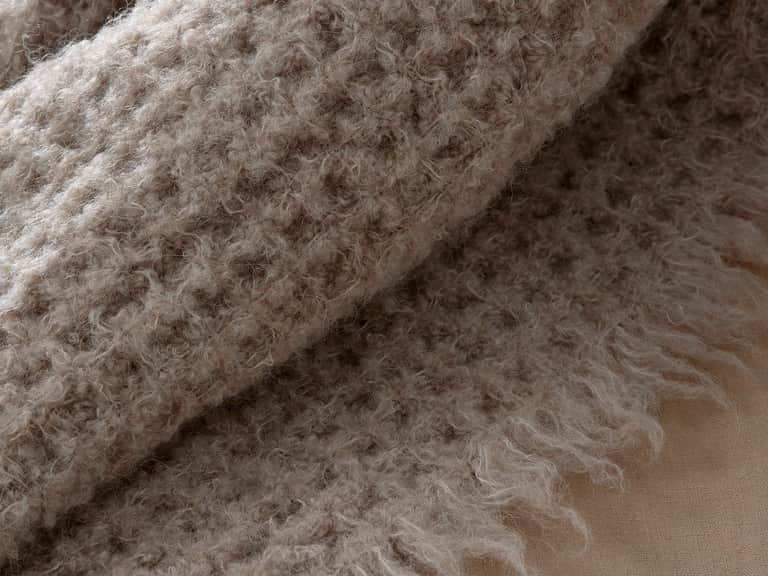
Wool fibers are naturally crimped. When gathered into batting or another filling structure, they create spaces that hold air while allowing the material to respond to moisture and temperature. Wool is commonly chosen for its breathable, steady warmth and its capacity to absorb moisture vapor before it feels damp. That quality may appeal to sleepers who dislike a clammy feeling or who experience changing temperatures overnight.
Down clusters are three-dimensional, light, and exceptionally good at trapping air. Their loft—the space the clusters occupy when they are allowed to expand—helps explain down’s reputation for warmth without much weight. A lofty down comforter can feel cloudlike rather than dense, while still providing considerable insulation. For sleepers who prioritize a light, enveloping layer, that distinction can be decisive.
Neither filling is automatically warmer, cooler, or more comfortable in every bed. The result depends on the quantity and quality of the fill, how it is arranged, the shell fabric, the comforter’s construction, and the conditions in the room. The question is not simply “wool or down?” but “which combination of materials and design works for this sleeper?”
How warmth behaves through the night
Sleep is not a static state. A room cools as the night advances; blankets shift; the body’s heat and moisture change. A comforter must balance insulation with the ability to release excess warmth. Too little insulation can leave a sleeper reaching for another layer. Too much can turn the bed into a warm pocket from which it is difficult to escape.
Wool is often valued for what might be called even, composed warmth. Its fill can provide insulation without the same airy, high-loft sensation associated with down. Because wool can take up moisture vapor within its fibers, some sleepers find it more comfortable when perspiration or humidity is part of the picture. This is not a promise that a wool comforter will prevent overheating: fill weight, room temperature, sleepwear, and individual physiology still matter. It does mean wool deserves consideration when the sensation of dampness is a recurring concern.
Down is known for a high warmth-to-weight ratio. Its clusters trap air efficiently, so a well-constructed comforter can feel light while insulating strongly. That combination can suit people who want substantial warmth without a heavy covering. But “light” does not mean “cool.” A high-loft, generously filled down comforter may be very warm. If you sleep hot, the appeal of a weightless feel should not be confused with a low level of insulation.
Labels such as “lightweight,” “all-season,” or “winter weight” are useful starting points, not universal standards. One company’s all-season comforter may feel different from another’s, and the same model can behave differently in a drafty room than in a tightly insulated home. When possible, compare the comforter’s fill weight, construction, and intended temperature range rather than relying on a marketing label alone.
What fill power and fill weight can—and cannot—tell you
Down shoppers will often encounter the term fill power. It describes the volume occupied by a given weight of down under a defined testing method. In broad terms, higher fill power indicates that the down clusters can loft more, which can help create a warmer comforter for a given amount of fill. It is a measure of loft potential, not a complete score for warmth, quality, or comfort. A comforter’s total fill weight and construction remain important.
For either filling, the amount of material matters. A heavier wool fill or a greater quantity of down can increase insulation, though construction affects how evenly that insulation is distributed. With down, baffle boxes create internal chambers that give clusters room to expand and help reduce migration into thin spots. Quilted designs use stitching through the layers and may be easier to manage, but the stitching lines can create areas with less fill. These are design trade-offs, not automatic indicators of good or poor quality.
Wool comforters may also use stitched compartments or quilting to keep batting evenly placed. Examine the product details for the fill’s composition, weight, and distribution. If a listing provides only a broad description such as “warm” or “breathable,” ask for more specific information. The more clearly the materials and construction are described, the easier it is to compare options fairly.
Start with your sleep style
People experience bedding differently. Two sleepers in the same room may disagree about the ideal comforter because they produce different amounts of body heat, prefer different levels of weight, or respond differently to humidity. A practical buying guide begins with observations rather than assumptions about which fiber is superior.
- If you often wake feeling overheated: Consider a lighter fill weight, a breathable shell, and a comforter designed for the room’s season. Wool’s moisture-management properties may be appealing, but a heavy wool comforter can still be too warm. A lighter down comforter may also work if its insulation level matches your needs.
- If you want warmth with very little weight: Down’s loft is a strong reason to explore it. Compare fill power and total fill weight, and look at the comforter’s construction to understand how the clusters are distributed.
- If you prefer a more substantial, even covering: Wool may suit you, particularly if you appreciate a comforter that feels less airy. Try to assess the actual weight and drape where possible; fiber alone cannot predict how a finished product will feel.
- If your temperature changes overnight: Look for adaptable insulation and consider building a flexible bed with layers. A breathable sheet and a lighter comforter plus a washable blanket can be easier to adjust than one very warm layer.
- If you share a bed with someone who sleeps differently: Separate twin-size comforters or individual layers can reduce the nightly negotiation over one shared covering.
A short sleep diary can make these choices more concrete. For a week, note the room temperature if you know it, whether you woke warm or cold, what you were wearing, and whether the discomfort appeared early or late in the night. Patterns may reveal that the problem is not the filling at all: a thick duvet cover, a warm mattress protector, or seasonal bedding may be contributing to the sensation.
Let the room and climate guide the decision
A comforter that feels inviting in a cold, dry bedroom may be oppressive in a warm, humid one. Think about the room’s typical conditions across the seasons, not just the weather outside on the day you shop. Heating systems, insulation, open windows, and the number of people sleeping in the room can all affect how much warmth the bed needs.
In a cool climate or a bedroom that stays cold overnight, a high-loft down comforter may provide considerable insulation without feeling cumbersome. Wool can also be an effective choice for sustained warmth, especially for someone who wants a less weightless feel. In either case, selecting an appropriate fill level matters more than choosing a fiber based on climate alone.
In a warm or humid climate, start with a lightweight construction and a shell that does not feel stifling. Wool’s ability to interact with moisture may be a reason to try it, while a lighter down option could provide an airy layer that is easy to move aside. Natural fibers do not eliminate the influence of the room; ventilation and a comfortable ambient temperature remain central.
Where seasons vary sharply, a modular arrangement can be practical. A lighter comforter can serve much of the year, with a blanket added for cold spells. The approach offers flexibility and may avoid keeping one heavy comforter on the bed through warm months. Store out-of-season bedding clean and completely dry, following the manufacturer’s guidance.
Shell fabric and construction are part of the comforter
The filling is only one part of the experience. A comforter’s shell—the fabric enclosing the fill—affects breathability, hand-feel, durability, and how securely the filling stays in place. Cotton is common, with options ranging from crisp, closely woven percale to smoother sateen. The shell should be woven tightly enough to contain the fill, while still feeling comfortable against the skin.
Down comforters need a shell that limits clusters and fine feathers from escaping through the fabric. Wool fillings also rely on sound enclosure and well-finished seams. Check for practical details: corner loops for tying into a duvet cover, reinforced edges, the shape and spacing of baffles or quilting, and clear instructions for airing and cleaning. These features can matter just as much over years of use as the first impression in a showroom.
A duvet cover is a useful protective layer. It catches everyday dust and body oils and can usually be washed more easily than the comforter itself. Choose one that fits the comforter appropriately: a cover that is too small can compress the fill, while an oversized cover can allow the comforter to bunch. The cover’s own fiber and weave will also change the feel of the bedding, so consider the complete sleep system.
Care: protect the insulation, not just the surface
Care instructions vary by product. A wool comforter is not necessarily machine washable, and a down comforter is not necessarily suitable for routine home laundering. Follow the manufacturer’s label rather than general advice found elsewhere; improper washing, heat, or drying can damage fill, shrink fabric, or leave moisture trapped inside.
For day-to-day care, a duvet cover, gentle airing, and prompt attention to small marks can reduce the need for a full wash. Allow bedding to dry thoroughly before covering or storing it. Do not leave a damp comforter folded away: retained moisture can compromise freshness and materials.
Wool may require professional cleaning or carefully limited spot treatment, depending on its construction. Down can often be cleaned, but it must be dried completely and evenly so clusters regain their loft rather than remaining clumped. That process can take time. Before purchase, check whether the care routine is realistic for your household and whether access to suitable cleaning services is available.
Storage matters, too. Keep a clean comforter in a breathable storage bag or other manufacturer-approved container, away from dampness and prolonged compression. Avoid sealing natural-fill bedding in a way that traps moisture. Periodic airing can help refresh bedding, but care should be taken to follow product guidance and avoid exposing delicate fabrics to harsh conditions.
Natural filling does not answer every sourcing question
Choosing wool or down may be only one part of a buyer’s values. Natural origin does not, by itself, describe animal welfare, land management, processing, transport, or the durability of a finished comforter. If sourcing is important, look for specific, verifiable information about the fill and the standard behind any certification. Read what a label actually covers rather than assuming that a broad sustainability claim tells the whole story.
For down, some certifications address the sourcing and traceability of feathers and down. For wool, standards may address aspects of farming, processing, or organic production, depending on the program. These labels differ in scope, so compare their stated requirements. A retailer should be able to explain the material composition and provide meaningful detail about certification claims.
Longevity is another part of the environmental picture. A well-made comforter used for many years may avoid repeated replacement, but only if its warmth, care demands, and construction fit the household. A theoretically ideal material is not a practical choice if it is too hot, difficult to maintain, or unsuitable for the sleeper’s preferences.
A straightforward comparison
| Consideration | Wool comforter | Down comforter |
|---|---|---|
| Typical feel | Often more even and substantial | Often lofty, light, and airy |
| Insulation character | Steady warmth; fill weight and construction remain decisive | Strong warmth for relatively little weight when loft is high |
| Moisture considerations | Can absorb moisture vapor within the fiber | Performance depends on fill, shell, construction, and room conditions |
| Useful details to compare | Fill weight, batting construction, shell, and care requirements | Fill power, total fill weight, baffle design, shell, and care requirements |
| Best next step | Confirm the product’s actual weight and cleaning instructions | Compare loft and warmth information, not fill power alone |
This comparison describes tendencies, not guarantees. A lightweight wool comforter can feel different from a dense one; a low-fill down comforter can behave differently from a high-loft winter model. Product specifications and personal experience should take precedence over broad claims about either fiber.
A buying checklist for natural bedding
Before settling on a comforter, work through a few practical questions. The answers can turn a vague search for “the best natural bedding” into a clearer decision.
- Do you usually wake warm, cold, or comfortable?
- What temperatures does your bedroom reach during the months you plan to use the comforter?
- Do you prefer a light, lofty covering or a more substantial drape?
- What are the fill material, fill amount, shell fiber, and construction details?
- Are the care instructions manageable, including any professional cleaning requirements?
- Does the comforter have corner ties or loops that work with your duvet cover?
- Are sourcing and certification claims specific enough to verify?
- Can you try the comforter or review the retailer’s exchange and return terms?
When comparing products, keep the dimensions consistent, since size affects how much filling is spread across the bed. Also consider whether the comforter will be shared. A design that feels perfect to one sleeper may not satisfy another, and a couple’s differing temperature preferences can be easier to manage with separate layers.
So, which should you choose?
Wool and down solve the same basic problem—holding warmth near the body—but offer distinct experiences. Wool is worth exploring if you want steady warmth, value moisture management, or prefer a more grounded feel. Down may be the better match if low weight and high loft are priorities. In both cases, the best choice depends on the fill level, construction, room climate, shell, and care routine.
Begin with the nights you already know. If you wake damp or overheated, investigate the complete bedding system before buying a warmer comforter. If you are cold but dislike weight, examine down’s loft and fill details. If you want warmth that feels consistent and substantial, compare wool products by fill weight and construction rather than by name alone.
The quietest luxury in a bed is not necessarily the most expensive or the fluffiest. It is the layer that lets the body settle without requiring attention: warm enough when the room cools, breathable enough for the sleeper, and durable enough to become familiar over time. Choosing between wool and down is less a contest than a matter of matching natural insulation to the particular weather of your nights.